

The hashtag #OldFashioned is trending, so I thought I would put together a little overview: Reviving Old Fashioned Charm: A Deep Dive into Timeless UK Tips for a Spotless Home, Hearty Meals, Simple Living, Health, Garden, and More
With #OldFashioned trending on X as part of the Daily Picture Theme challenge; people are sharing everything from vintage typewriters and steam ships to nostalgic snowball fights and creaky old books, I felt this was the perfect moment to embrace that retro spirit. This trend’s all about celebrating yesteryear, so let’s expand beyond the basics and explore a full spectrum of old-fashioned UK wisdom. From Victorian cleaning hacks to Be-Ro baking staples, frugal lifestyle routines, herbal health remedies, gardening lore, etiquette gems, and fashion nods, these tips are pulled from historical guides, granny’s notebooks, and forgotten habits.
Grab a brew, or drink of choice and maybe a biscuit, or if you are feeling a little posh a crumpet or buttered scone?.. and let’s bring back that efficient, cosy old fashioned Brit vibe!
Spotless Spaces: Old-Fashioned Cleaning Wisdom:
Cleaning Like a Proper Brit: Engaging a Bit Of Good Old Fashioned Elbow Grease

UK homes have tackled grime with pantry staples and daily diligence, no pricey sprays needed. Regency and Victorian sources emphasise natural abrasives like fuller’s earth for floors, avoiding soap to prevent bleaching. English Heritage backs many, but cautions against aggressive ones like brick dust on modern surfaces. Mid-20th-century habits focus on prevention in small, unheated homes. Some Victorian tips (e.g., carbolic soap for everything) were phased out for health reasons.
So what are we left with; that worked then and works now:
- Damp cloth dusting: Use a soft, damp linen cloth daily on furniture, this avoids scratches and picks up dust; without fluff flying all over elsewhere for you to have to re-clean. Regency housewives swore by it, followed by a rub of linseed oil for that polished glow on wooden surfaces, stone and metal. A Regency staple that’s gentle and effective.
- Newspaper under doormats & Other uses: Layer old papers underneath your doormat to soak up mud and rain from boots and shoes. Replace weekly (or daily in mucky weather). This mid-20th-century trick kept floors dry and mats fresh; pure genius for rainy UK days. Newspapers can also be used to absorb odours in your storage spaces, such as closets or drawers. Lining shelves and drawers with newspaper is an economical way to protect surfaces from spills or stains. For those who compost, newspapers can be a useful addition to your compost pile. To polish stainless steel appliances or fixtures, use crumpled newspaper with a little bit of olive oil or a vinegar solution (one part vinegar mixed with three parts water).
- Shoes off at the door: A doorstep ritual; Scrape boots outside, and wear slippers (or if you are like me go barefoot) inside. This prevents tracking dirt from the outside in, saving your carpets. Universal in old British homes, and still spot-on for a hygiene must.
- Clean as you go: In the kitchen, wash up while cooking; rinse the peeler mid-peel, wipe spills instantly, sanitising a chopping board after use, etc. Wartime efficiency that stops piles building up. Sources agree it’s a bacteria-buster and time-saver. In Food Safety this is known as: Clean-as-you-go. To clarify what you may need for each task here. Detergents: Are chemicals that will dissolve grease and assist in the removal of food debris and dirt. Detergents do not kill bacteria. Disinfectants: Are chemicals designed to destroy bacteria. They reduce the number of bacteria to a safe level. Disinfectants are not effective in removing dirt and grease. They can have a very strong smell which may affect food, so be careful and aware when and where to use these. Some disinfectants are not suitable for use on food contact surfaces because of their strong smell which may taint food. Sanitizers: Are chemicals that combine the role of both detergent and disinfectant. They are designed to remove grease and dirt, as well as to disinfect; all in one operation.
- Night-time kitchen reset: Do a quick 15-minute evening tidy; basket up stray items, wipe surfaces, sweep crumbs, put dishes away. This leaves the house ready for the morning. This is known as a “closing the kitchen” habit after tea.
- Daily cleaning schedule: Assign tasks by day; for example: Monday washing/laundry day, Tuesday ironing, Wednesday bedrooms, etc. This keeps the whole house covered without feeling overwhelmed and taking up your weekend. Victorian schedules were similar, though they involved a lot more scrubbing!
- White vinegar for windows: Mix with water for streaks-free shine. A staple in old UK tips, timeless and ecologically friendly and avoids the use of harsh chemicals, great for those with allergies or asthma. Fot a top combo, use Newspapers. Using newspaper for cleaning is a, tried-and-true, cost-effective, and eco-friendly method, particularly for achieving streak-free glass, windows, and mirrors. It is widely considered superior to paper towels because it does not leave behind lint or fibres.
- Lemon for stains, cleaning and odour removal: Rub half a lemon on chopping boards or copper to banish marks and add a fresh scent. A clear Victorian fave, but some note it can be too acidic for modern finishes, so please test first. For more modern home adaptations; Lemon juice is one of the best, most natural and cheapest rinse aids there is. Squeeze the juice of half a lemon into the dishwasher before running it and your tableware will come out whiter, cleaner and stain-free. Dab lemon juice on a cotton ball or sponge and leave it in the fridge for several hours to help freshen up the fridge and rid the bad smells. You can do the same for your Tupperware too! Quick microwave cleaning trick: Pour 1 cup water into a bowl. Squeeze half a lemon into it and drop both halves in. Microwave 3 minutes (or until boiling). Carefully remove, then wipe the interior with a cloth. The steam and lemon oils loosen grease, grime, and eliminate odours. Lemon can also be used as a limescale remover, keeping insects out of your kitchen, adding a sparkle to your taps, removing rust, and cleaning mirrors and glass.
- Baking soda scrub: For sinks, ovens, washing machines, tile grout, stain removal, and deodouriser for fridges and carpets, sprinkle and scrub with a damp cloth. Liberally sprinkle baking soda onto carpets, let it sit for at least 15 minutes (or overnight for stronger smells), then vacuum. Natural and non-toxic, as per Regency recipes.
- Bread for wallpaper: Using fresh white bread is an effective, gentle, and historic method for removing surface dirt, smudges, and fingerprints from wallpaper without harsh chemicals. Roll soft white bread into a ball and dab at marks to absorb dirt without damage
- Skimmed milk for stone floors: Scrub for gleam; old English Heritage tip, particularly flagstones, but modern sources say it’s better for shine than deep clean. Only use skimmed milk, as full-fat or semi-skimmed can leave a patchy, greasy residue.
- Beeswax for wood: Polish with melted wax; it is is a traditional, natural method to seal, protect, and enhance the beauty of wooden furniture, floors, and kitchenware. Apply in thin, even layers. Too much wax can make the surface sticky and hard to buff. It adds a soft, mellow sheen and acts as a water-resistant barrier protects and shines, per stately home hacks.
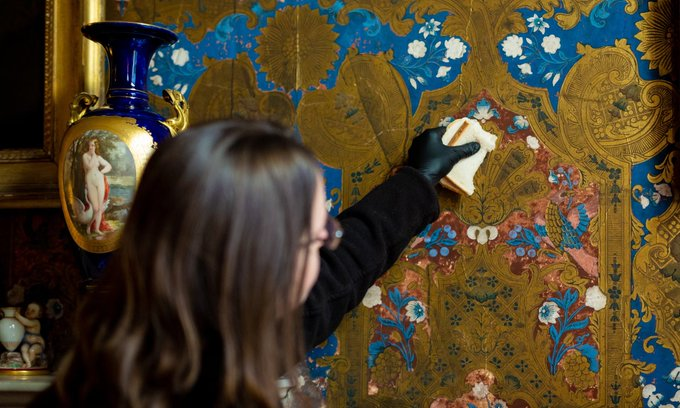
These keep your home eco-friendly, wallet-friendly, chemical free, and your granny and mine (or maybe great granny) would approve!
Hearty Home Cooking: the Old-Fashioned Way: Be-Ro and Home Baking Bliss
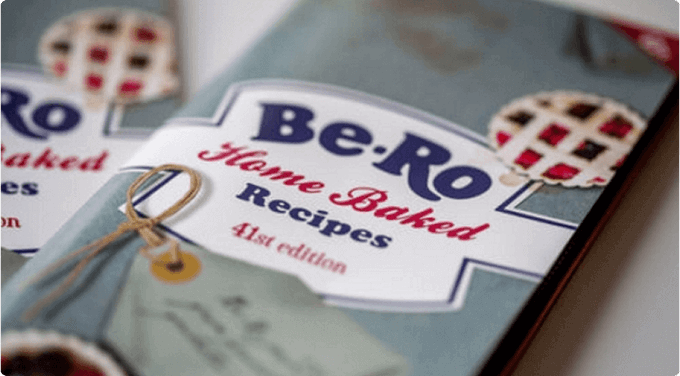
Nothing screams UK nostalgia like whipping up scones or puddings from scratch. The Be-Ro recipe book, first published in 1923 by a Tyneside flour company, has sold millions and is still going strong in its 41st edition. It’s all about simple, reliable bakes using basic ingredients, no fancy mixers. Recipes haven’t changed much over the editions, though early ones leaned on margarine due to rationing (butter’s better now, if you ask me).
It’s a treasure for breads, cakes, biscuits, and more. Top tips inspired by Be-Ro and classic home cooking:
- Bake your own scones: Mix self-raising flour, butter, milk, and a pinch of sugar for fluffy treats. Be-Ro’s recipe is fool proof; bake fresh for tea time.
- Simple cakes and pastries: Try Victoria sponge, simple layers with jam, classically delicious, no fuss. Or try shortcrust for pies. Use lard for flaky results, as in early editions.
- Puddings from scraps: Steam suet puddings with leftover fruit; frugal and filling (though not one for me). Though it’s timeless UK comfort food.
- Cook from scratch daily: Ditch takeaways for homemade soups, casseroles, or stews, stretching meat with lentils or oats. Batch-cook extras (like a big pot of veg soup or chilli) to freeze portions for quick, no-fuss dinners later, saves time, energy, and money when you’re tempted by a delivery app. Old frugal habits that saves pennies. Meal-plan weekly to avoid waste, shop with a list, buy reduced produce, and turn veg scraps into stock.
- Mend and make do: Reuse jars for storing dry goods like pasta, rice, spices, or leftovers, perfect for organising your pantry and cutting down on single-use plastic containers. Mend aprons, tea towels, and oven gloves by sewing on patches, darning small holes, or replacing worn ties/strings, keeping your cooking essentials functional longer and tying neatly into efficient, waste-free meal prep.
- Repair clothes with simple fixes: sew on missing buttons, patch holes (even decoratively for a visible mending style), darn socks, hem trousers, or alter old garments to refresh them; many Brits now attend repair cafés or workshops for help. When things are beyond repair: Upcycle old fabrics; turn worn-out clothes into cleaning rags, reusable shopping bags, patchwork quilts, or children’s’ toys.
- Bake bread weekly: Basic loaves, Be-Ro style, cheaper than shop bought, far healthier and tastier!

These turn your kitchen into a warm hub of old fashioned comfort and a feeling of home, just like nan’s. They build on the classic ethos: repair what you have, reuse creatively, and make do brilliantly; saving money while being kinder to the environment. Start small, and it soon becomes second nature!
Everyday Efficiency: Lifestyle and Home Hacks, Slow, Frugal, and Fulfilled
Old-fashioned UK living drew on simple, time-tested routines that fostered health, harmony, and longevity; backed by modern research showing their real benefits. These habits promote physical well-being (like better blood sugar control and reduced chronic disease risk), mental health (lower stress, anxiety, and depression), social bonds, and sustainability, all with a frugal, “waste not, want not” mindset. Today’s takes keep things practical and positive, steering clear of wartime extremes, like rationing, while embracing eco-friendly and mindful living.
Here are the top tips, expanded with evidence-based positive impacts:
Hang out the washing: Or “Pegging out” as my mum calls it (and so do I to be fair). Obviously weather dependent, but air-drying clothes and bedding saves significant energy (avoiding tumble dryers cuts bills), preserves fabric longevity (less heat damage/shrinking), and adds eco-benefits like natural disinfection from sunlight.
Daily walks and fresh air: Pop out for a gentle stroll after meals (even just 10-15 minutes). Research consistently shows this lowers post-meal blood sugar spikes, improves glycaemic control, and reduces diabetes risk; effective even in short bursts, as seen in studies where brief post-meal walking outperformed longer delayed sessions for blunting glucose peaks and supporting metabolic health in people at risk for type 2 diabetes.
One in, one out: When buying something new, let go of an old item. This simple rule curbs clutter build-up, which research links to reduced stress, anxiety, and cognitive overload. A decluttered space boosts focus, productivity, mood, self-worth, and overall mental well-being. People in organised environments feel less irritable, more capable, and experience lower frustration or helplessness.
Mending box ritual: Anything that needs fixing or mending, pop in a basket. Set aside weekly time to empty the basket by fixing clothes (sew buttons, patch holes, or try visible mending). Extending garment life saves money, cuts waste, and supports sustainability by keeping textiles out of landfills. It also fosters mindfulness and creativity; many find the process meditative, building a deeper connection to possessions while promoting eco-conscious habits that reduce fast-fashion’s environmental toll.
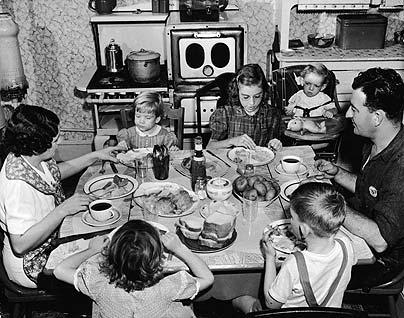
Eat at the table: No TV or screens; share home-cooked meals as family time. Frequent family meals (without distractions) are linked to stronger relationships, better emotional health, lower depression and stress, higher self-esteem, and reduced risky behaviours in children and teens. Studies show they improve nutrition (more fruits/veg), foster communication, and provide protective mental health benefits for the whole family, including parents. Sitting at a table to eat is generally better for digestion than eating on the go (standing, walking, or distracted), primarily because it promotes slower, more mindful eating and activates the body’s “rest and digest” mode. It also reduces the risks of acid reflux and heartburn! You generally eat less; distractions or rushing often lead to consuming more calories, which can overload digestion.
Know your neighbours: Chat over the fence or in passing. Strong social connections (even casual ones) boost mental health, reduce loneliness, lower inflammation, and enhance longevity; research shows they increase survival odds by up to 50%, buffer against depression/anxiety, improve cardiovascular health, and promote resilience, with effects comparable to major lifestyle factors. It also builds a sense of safety and community, something older generations thrived on.
Sunday reset: Prep for the week: lay out clothes, sort laundry, plan meals, tidy up. This routine reduces feelings of being overwhelmed, cuts weekly stress, improves sleep quality, and sets a calm, focused tone; leading to higher productivity, creativity, energy, and a greater sense of control. Many report it enhances overall well-being by clearing mental clutter and building positive habits. Especially useful when a Monday morning school run can quickly descend into chaos!

These habits make life simpler and more joyful, if you are not already doing them, why not give them a whirl!
Small, steady changes often bring the biggest rewards! Simple joys for a fulfilled life!
Natural Nurturing: Traditional Health Remedies
The “Natural Nurturing” ethos; drawing from UK’s rich history of folk herbalism, Celtic traditions, and medieval remedies’ all encourage using nature’s bounty for everyday health woes, blending time-honoured wisdom with modern evidence. While many Brits turn to household staples like herbs from gardens or wild foraged plants, science backs only a select few as effective for specific ailments (e.g., via NHS guidelines, NICE recommendations, or Cochrane reviews). These focus on mild conditions, avoiding discredited oddities like medieval “eating mice” for cures. Always consult a GP or pharmacist first, evidence is often limited, interactions with other medications and conditions are possible, and they’re not always the best substitute for professional care, especially for serious issues. Here’s an expanded look at traditional and proven UK remedies:
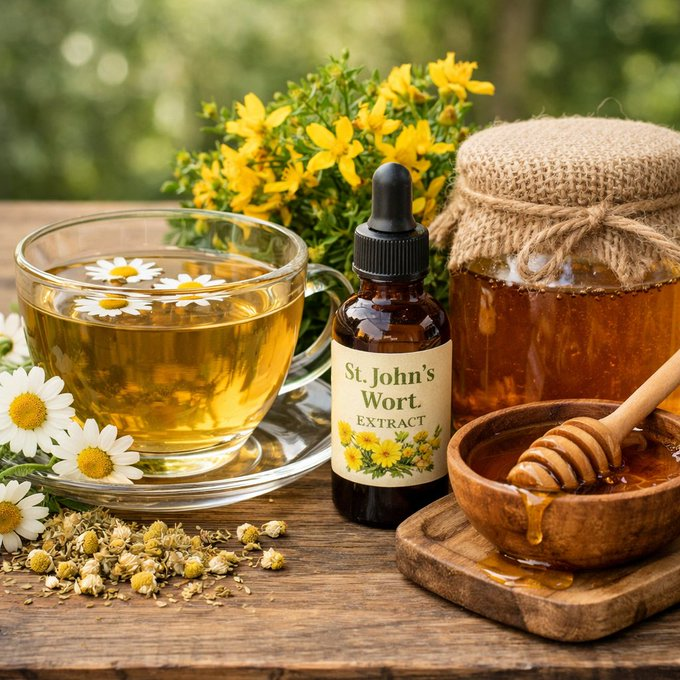
- Chamomile tea: A soothing staple from Roman and Anglo-Saxon times, brewed from dried flowers for stress, anxiety, and sleep issues. Modern UK studies (including Cochrane reviews) show it mildly reduces insomnia and promotes relaxation via compounds like apigenin that bind to brain receptors; similar to mild sedatives. Sip 1-2 cups before bed; evidence is moderate for short-term use, but avoid if allergic to ragweed.
- Lavender infusions or oils: This one is a folk favourite, found in many British gardens, used for calming high blood pressure (BP) and nerves, used since medieval times in sachets or teas. UK-based research (e.g., from the Royal College of Psychiatrists) supports its anti-anxiety effects via aromatherapy, with trials showing reduced BP and stress hormones; it is safe for most people, but dilute essential oils to prevent skin irritation.
- Wild garlic (ramsons) infusion: A Celtic remedy for bladder stones and digestive woes, foraged in UK woodlands. Limited modern evidence from herbal studies suggests antimicrobial properties (like allicin in garlic) may aid mild urinary issues, but consult professionals for stones; not proven as a cure-all, though it’s a nutritious wild green.
- Honey and hare gall (or modern honey alone) Medieval mix for eye infections, but hare gall is discredited and unsafe; stick to raw UK honey (e.g., Manuka-style). NICE guidelines strongly recommend honey for acute coughs in colds/URTIs, meta-analyses (e.g., Oxford University, 2020) show it reduces cough frequency/severity by 36-44% better than usual care, thanks to antimicrobial and soothing properties. For adults/children over the age of one: 1 tsp in warm water/lemon; evidence is high-quality for symptom relief.
- St John’s Wort extracts: Iconic UK wild plant (Hypericum perforatum) for mild-moderate depression, used since Anglo-Saxon times. NHS and NICE acknowledge evidence from Cochrane reviews (2008, updated) showing it’s as effective as SSRIs (response rate ~1.0) with fewer side effects, e.g., 29 trials with 5,489 patients confirm superiority over placebo. THR-licensed in UK for low mood; take standardised tablets, but avoid with other meds (e.g., contraceptives) due to interactions.
- Elderberry syrup: Traditional British hedge remedy for colds/flu, from elder trees. UK studies (e.g., Totally Wild UK, 2025) and meta-analyses highlight immune-boosting antioxidants reducing flu duration by 2-4 days; moderate evidence for symptom relief, but not prevention, boil berries to avoid toxicity.
- Willow bark tea: Ancient Celtic source for pain/fever (salicin precursor to aspirin). UK historical remedies evolved into modern use; evidence from reviewed studies (2015) confirms anti-inflammatory effects for headaches/back pain, similar to low-dose aspirin, but use sparingly to avoid stomach upset.
- Peppermint tea: Common UK garden herb for IBS and digestion, from medieval monastic gardens. NICE guidelines cite evidence for antispasmodic benefits, reducing bloating/cramping in trials; high-quality for mild gut issues.
- Ginger root infusions: Imported but adopted in British folk medicine for digestion, and colds and more notably nausea (e.g., morning sickness). UK pregnancy guidelines (NHS) support it, with reviews showing 70-80% reduction in symptoms, safe in moderation.
- Ginseng (Panax ginseng – Asian; or American varieties): From East Asia (traditional Chinese medicine). Adopted for energy, fatigue, and immune support. Reviews indicate benefits for reducing fatigue and improving cognitive function in some contexts; widely sold in the UK.
- Turmeric (Curcuma longa) / Curcumin: Originating from India (Ayurvedic tradition). Widely used in the UK for anti-inflammatory benefits, joint pain, and digestive support. Evidence from multiple RCTs and reviews (including UK-accessible studies) shows moderate effects in reducing inflammation, improving symptoms in conditions like IBS, arthritis, and even depressive symptoms, often comparable to low-dose anti-inflammatories for some uses. Popular as teas, capsules, or in golden milk.
- Paracetamol (as a common adjunct): Not natural, but NHS-recommended for cold/flu aches, fever, or headaches alongside remedies. Evidence from guidelines shows it safely lowers temperature and eases pain (up to 4g daily for adults), combine with honey for coughs, but check labels to avoid overdose in combining products.
- Yoga and mindfulness practices: Rooted in India (ancient traditions). Not a “remedy” but a practice now mainstream in the UK via NHS-endorsed programs (e.g., for back pain, stress, mental health). Evidence from 20+ trials shows effectiveness for chronic lower back pain and anxiety; widely recommended.
Gentle ways to wellness; with rising interest in THR-registered products (e.g., via Holland & Barrett), they’re gaining traction, but remember, “proven” means backed by trials, not miracles. Start with small doses, track effects, and seek advice for personalised use! Always check with a doctor or pharmacist and inform them of all medications you are currently taking!
Green Thumbs Up: Vintage Gardening Tricks
The “Green Thumbs Up” ethos revives vintage UK gardening tricks; drawn from allotment traditions, Victorian practices, “Dig for Victory” wartime efforts, and historic estate gardens, that prioritise sustainable, resourceful growing. These methods, long used by British gardeners, are consistently supported by modern evidence from the Royal Horticultural Society (RHS), which promotes them for better soil health, higher yields, natural pest control, and eco-friendly gardening. They align with current revivals in no-dig, organic, and biodiversity-focused trends, delivering proven results like improved fertility, reduced maintenance, and resilient crops in UK soils and weather. Here are the core vintage tricks, expanded with RHS-backed tips and benefits:
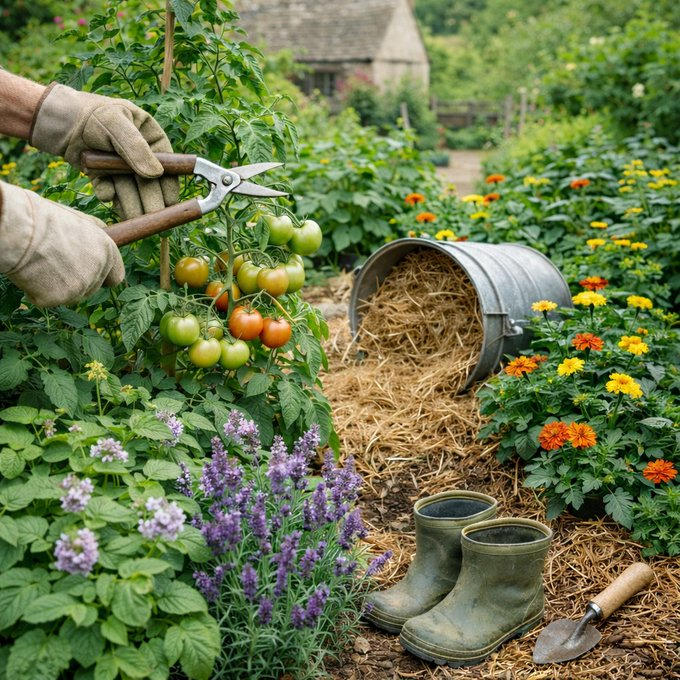
- Companion planting: Pair mutually beneficial plants (“friends”) to enhance growth, a classic technique from old UK allotments and now a key RHS recommendation. Examples include; carrots with onions (to confuse carrot root fly via scent masking), brassicas with nasturtiums (trapping aphids), or tomatoes with basil/marigolds. RHS evidence highlights benefits: improves space efficiency, deters pests naturally (reducing insect damage without chemicals), attracts pollinators and beneficial insects (like ladybirds for aphid control), boosts nutrient availability (e.g., nitrogen fixation), and can lower disease risk; leading to healthier plants, higher yields, and more productive plots in trials and practical UK gardening.
- Double digging: A labour-intensive vintage prep method: dig trenches one spade deep, fork/loosen subsoil another spade’s depth, incorporate well-rotted organics (compost/manure), then backfill progressively. Traditional for breaking new ground or heavy clay soils in allotments. **However, RHS notes most gardeners now prefer single digging or no-dig methods for ongoing soil health, as double digging disrupts structure unnecessarily in established beds.
- Mulching: Spread a thick layer (5-10cm) of organic materials (garden compost, leaf mould, straw, bark, well-rotted manure) around plants and over beds, especially in winter/autumn. An old-school UK practice for protection and conservation. Leading to healthier plants, fewer weeds, and energy-efficient gardening in Britain’s variable climate.
- Pruning: Vintage UK gardeners pruned strategically to shape plants, remove dead wood, encourage blooms, and control size, often in late winter/early spring for deciduous types or after flowering to avoid cutting off next year’s buds. RHS classifies plants into pruning groups (1-13) for tailored advice, but core principles emphasise: prune after flowering for most flowering shrubs. For late-summer/autumn-flowering deciduous shrubs (July-October bloom), prune in spring before growth starts. Early-flowering ones (November-June) get summer pruning right after flowers fade. Evergreens typically need minimal pruning in mid-late spring (April-May), after frost risk, removing about one-third of older wood for shape and health. Renovation pruning (severe cuts on overgrown plants) happens late winter/early spring just before buds swell. This boosts flowering/fruiting, removes disease risks, prevents top-heaviness, and enhances vigour; leading to tidier, more productive gardens with fewer issues.
- When to plant flowers: Seasonal savvy was key in old UK gardens to match planting with soil warmth, moisture, and frost risks for strong establishment. RHS recommends: spring-flowering bulbs (daffodils, tulips, crocuses, hyacinths, alliums) in autumn (ideally late August-October, up to November), planting at 3x the bulb’s height deep for root development and protection. Perennials (herbaceous like geraniums, astrantia, poppies) best in autumn (late September-October) or spring (March-early May) when soil is moist but not frozen/waterlogged, container-grown ones anytime if conditions allow. Hardy annuals (e.g., calendula, cornflowers) sow/plant outdoors in spring or autumn (they survive light frost). Biennials (wallflowers, sweet William) sow in summer for next year’s flowers. Tender summer bedding/annuals (petunias, begonias) wait until after last frost (mid-May onwards in most UK areas). Proven perks from RHS trials and guides: autumn planting gives roots time to settle before winter, spring avoids waterlogging, and timing reduces shock, resulting in better survival, earlier blooms, fuller displays, and less replanting needed.
- Seasonal/successional sowing: Sow quick-maturing crops “little and often” (every 2-4 weeks in small batches) rather than one big planting, for steady supplies. RHS recommends it for crops like salads (lettuce ‘Little Gem’), radishes, carrots, spinach, peas, French beans, using a mix of quick and maincrop varieties. Ideal for small UK plots or families wanting reliable, home-grown produce without feast-or-famine cycles.
- Garden frames (cold frames/cloches): Use traditional wooden/glass cold frames or cloches to gradually harden off tender seedlings (acclimatise from greenhouse/protected starts to outdoor conditions) by venting progressively. Resulting in tougher, higher-survival plants that thrive outdoors, as per RHS hardening-off guidance.
These timeless tricks capture the thrifty, nature-smart essence of UK gardening heritage: build healthy soil naturally, work seasonally, and grow more with minimal inputs. They’re sustainable, budget-friendly, and increasingly validated in an era of eco-conscious growing. Try incorporating one; like mulching or companion planting, and you’ll soon see the rewards in a more productive, joyful garden. Grow like the pros of old!
Dive in and make #OldFashioned your own!
References & Other Sources
- Adrian Flux. (n.d.) 13 effective Victorian cleaning tips for your home. Available at: https://www.adrianflux.co.uk/victorian-homes/victorian-cleaning-hacks-for-your-home (Accessed: 25 February 2026).
- Apartment Therapy. (2021) I Tried a 1920s Cleaning Routine for a Week — And it Was Nearly Impossible. Available at: https://www.apartmenttherapy.com/1920s-housewife-cleaning-schedule-36708764 (Accessed: 25 February 2026).
- BBC. (2010) X-Ray: Household cleaning the old fashioned way. Available at: http://www.bbc.co.uk/blogs/x-ray/2010/03/household-cleaning-the-old-fashioned-way.shtml (Accessed: 25 February 2026).
- BBC. (2013) 10 dangerous things in Victorian/Edwardian homes. Available at: https://www.bbc.com/news/uk-25259505 (Accessed: 25 February 2026).
- BBC. (n.d.) Radio 4 in Four – Eight weird and wonderful medieval remedies for illness. Available at: https://www.bbc.co.uk/programmes/articles/1x1KfqxfSXdzjtc5WTJhh48/eight-weird-and-wonderful-medieval-remedies-for-illness (Accessed: 25 February 2026).
- BBC News. (2009) Magazine | 10 dietary tips from those aged 100+. Available at: http://news.bbc.co.uk/2/hi/uk_news/magazine/7974345.stm (Accessed: 25 February 2026).
- Be-Ro. (n.d.) Be-Ro: Homepage. Available at: https://www.be-ro.co.uk/ (Accessed: 25 February 2026).
- Beautiful Solutions. (2025) Creating An Old English Style Garden: Ideas, Plants, and Practical Tips. Available at: https://www.beautiful-solutions.co.uk/2025/08/creating-old-english-style-garden-ideas.html (Accessed: 25 February 2026).
- Bitesize Gardening. (2024) Essential Traditional British Gardening Skills: Fruit and Veg. Available at: https://www.bitesizedgardening.co.uk/essential-traditional-british-gardening-skills-fruit-and-veg/techniques (Accessed: 25 February 2026).
- British Food History. (2012) Favourite Cook Books No. 1: The Be-Ro Book. Available at: https://britishfoodhistory.com/2012/07/09/favourite-cook-cooks-no-1-the-be-ro-book (Accessed: 25 February 2026).
- Cancer Research UK. (n.d.) Herbal medicine | Complementary and alternative therapy. Available at: https://www.cancerresearchuk.org/about-cancer/treatment/complementary-alternative-therapies/individual-therapies/herbal-medicine (Accessed: 25 February 2026).
- Country Life. (2019) How to create a classic English country cottage garden: What to plant, where to plant it and what to use around it. Available at: https://www.countrylife.co.uk/gardens/gardening-tips/create-classic-english-country-cottage-garden-plant-plant-use-around-201110 (Accessed: 25 February 2026).
- Country Living. (2016) 12 Housekeeping Secrets to Steal from Grandma. Available at: https://www.countryliving.com/home-maintenance/cleaning/g3160/vintage-cleaning-tips (Accessed: 25 February 2026).
- Daily Mail. (2023) ‘Old fashioned’ exercise, healthy eating and socialising are secret to keeping healthy in old age, says Chris Whitty. Available at: https://www.dailymail.co.uk/health/article-12730209/Old-fashioned-exercise-healthy-eating-socialising-secret-keeping-healthy-old-age-says-Chris-Whitty.html (Accessed: 25 February 2026).
- Daily Telegraph. (2017) Grandma’s 20 old-fashioned tips for modern living. Available at: https://www.dailytelegraph.com.au/lifestyle/health/body-soul-daily/grandmas-20-oldfashioned-tips-for-modern-living/news-story/ea041b51ac5e91deb9ebb32262d65139 (Accessed: 25 February 2026).
- Debrett’s. (n.d.) 18th-Century Manners for Men. Available at: https://debretts.com/18th-century-manners-for-men (Accessed: 25 February 2026).
- Driehaus Museum. (2016) The Manners of the Edwardian Era. Available at: https://driehausmuseum.org/blog/view/the-manners-of-the-edwardian-era (Accessed: 25 February 2026).
- English Heritage. (2021) Spring Cleaning the Old-Fashioned Way. Available at: https://www.english-heritage.org.uk/about/search-news/pr-spring-cleaning (Accessed: 25 February 2026).
- English Heritage. (n.d.) Tips from our Historic Gardeners. Available at: https://www.english-heritage.org.uk/visit/inspire-me/tips-from-our-historic-gardeners (Accessed: 25 February 2026).
- Facebook. (n.d.) I have an original old Victorian floor. Any tips on how to clean without damaging the tiles? It’s looking a dull. Available at: https://www.facebook.com/groups/387981432375737/posts/924556438718231 (Accessed: 25 February 2026).
- Flashbak. (2015) Be-Ro Home Recipes: Scones, Cakes, Pastry, Puddings – A 1923 Cookbook Primer. Available at: https://flashbak.com/be-ro-home-recipes-scones-cakes-pastry-puddings-a-1923-cookbook-primer-41260 (Accessed: 25 February 2026).
- Geri Walton. (2015) Victorian Era Conveniences: Things that Made Life Easier. Available at: https://www.geriwalton.com/eleven-conveniences-in-the-victorian-era (Accessed: 25 February 2026).
- Good Housekeeping. (2023) Old fashioned cleaning tips that really work. Available at: https://www.goodhousekeeping.com/uk/product-reviews/latest-news/a668250/old-fashioned-cleaning-tips-that-really-work (Accessed: 25 February 2026).
- Historic UK. (2015) Traditional British Folk Remedies. Available at: https://www.historic-uk.com/CultureUK/Folk-Remedies (Accessed: 25 February 2026).
- Historic UK. (n.d.) English Etiquette and good manners. Available at: https://www.historic-uk.com/CultureUK/British-Etiquette (Accessed: 25 February 2026).
- History. (n.d.) 10 weirdest etiquette rules from British history. Available at: https://www.history.co.uk/articles/weirdest-etiquette-rules-from-british-history (Accessed: 25 February 2026).
- Home Garden Companion. (2016) Old Fashioned Gardening. Available at: https://www.homegardencompanion.com/old-fashioned-gardening (Accessed: 25 February 2026).
- Homes and Gardens. (2025) I tried the Victorian window cleaning hack. Available at: https://www.homesandgardens.com/solved/victorian-window-cleaning-hack (Accessed: 25 February 2026).
- House Beautiful. (2021) Victorian cleaning hacks more effective than modern methods, says English Heritage. Available at: https://www.housebeautiful.com/uk/lifestyle/cleaning/a35884326/victorian-cleaning-hacks-english-heritage (Accessed: 25 February 2026).
- HowStuffWorks. (2015) 10 Ridiculous Victorian Etiquette Rules. Available at: https://people.howstuffworks.com/10-ridiculous-victorian-etiquette-rules.htm (Accessed: 25 February 2026).
- LBC. (2023) ‘Old fashioned’ ways are best to stay young: Chris Whitty reveals best ways to live longer. Available at: https://www.lbc.co.uk/article/old-fashioned-ways-are-best-to-stay-young-chris-whitty-reveals-best-ways-to-live-DWzjbD_2 (Accessed: 25 February 2026).
- Manchester Evening News. (2025) Little-known Victorian-era trick to warm your house without switching heating on. Available at: https://www.manchestereveningnews.co.uk/news/property/little-known-victorian-era-trick-31065871 (Accessed: 25 February 2026).
- Metro. (2021) Stately home shares Victorian cleaning hacks using milk, bread, and beeswax. Available at: https://metro.co.uk/2021/03/20/stately-home-shares-victorian-cleaning-hacks-using-milk-bread-and-beeswax-14276227 (Accessed: 25 February 2026).
- Mind. (n.d.) Herbal remedies | Mental health drugs and treatments. Available at: https://www.mind.org.uk/information-support/drugs-and-treatments/complementary-and-alternative-therapies/herbal-remedies (Accessed: 25 February 2026).
- Mumsnet. (2022) Frugal housekeeping tips. Available at: https://www.mumsnet.com/talk/_chat/4540381-frugal-housekeeping-tips (Accessed: 25 February 2026).
- My Homemade Roots. (2025) 15 Old-Fashioned Gardening Tips from Our Grandparents (That Still Work Today). Available at: https://myhomemaderoots.com/15-old-fashioned-garden-tips-from-our-grandparents (Accessed: 25 February 2026).
- My Vintage. (2019) Vintage Guide: A Fashion Tour Through the Decades. Available at: https://www.myvintage.uk/post/a-fashion-tour-through-the-decades?srsltid=AfmBOoobveDFXcb5ISO1haS5TUrads2tH-96GgTacyGuo6yTJOiKgzf4 (Accessed: 25 February 2026).
- National Archives. (n.d.) A medieval cold and flu remedy. Available at: https://www.nationalarchives.gov.uk/explore-the-collection/stories/a-medieval-cold-and-flu-remedy (Accessed: 25 February 2026).
- National Trust. (n.d.) Top tips for spring cleaning your home. Available at: https://www.nationaltrust.org.uk/discover/history/top-tips-for-spring-cleaning-your-home (Accessed: 25 February 2026).
- NHS. (n.d.) Herbal medicines. Available at: https://www.nhs.uk/tests-and-treatments/herbal-medicines (Accessed: 25 February 2026).
- New York Times. (2021) Milk for Floors, Bread for Walls: 19th-Century Cleaning Tips for the Modern Era. Available at: https://www.nytimes.com/2021/03/21/world/europe/spring-cleaning-victorian-era.html (Accessed: 25 February 2026).
- Pinterest. (n.d.) How To Dress British: A Guide To Classic British Style. Available at: https://www.pinterest.com/pin/725361083714495961 (Accessed: 25 February 2026).
- RCPE. (n.d.) Celtic Medical Treatments. Available at: https://www.rcpe.ac.uk/heritage/heritage-blog/celtic-medical-treatments (Accessed: 25 February 2026).
- Reader’s Digest. (2024) 46 Etiquette Tips of the Victorian Era That Need to Make a Comeback. Available at: https://www.rd.com/list/victorian-era-etiquette (Accessed: 25 February 2026).
- Reddit. (n.d.) AskUK, what are you top tips for cleaning your house? Available at: https://www.reddit.com/r/AskUK/comments/brdruk/askuk_what_are_you_top_tips_for_cleaning_your (Accessed: 25 February 2026).
- Reddit. (n.d.) Beginners tips for English cottage garden form scratch. Available at: https://www.reddit.com/r/GardeningUK/comments/196boxq/beginners_tips_for_english_cottage_garden_form (Accessed: 25 February 2026).
- Reddit. (n.d.) How do I dress simple and classic without looking like a frumpy middle age woman? Available at: https://www.reddit.com/r/fashionwomens35/comments/1lkduk4/how_do_i_dress_simple_and_classic_without_looking (Accessed: 25 February 2026).
- Red Key Lets. (n.d.) 15 Old Fashioned Household Cleaning Tips that Work! Available at: https://redkeylets.co.uk/news/15-old-fashioned-household-cleaning-tips-that-work (Accessed: 25 February 2026).
- Royal College of Physicians of Edinburgh. (n.d.) Celtic Medical Treatments. Available at: https://www.rcpe.ac.uk/heritage/heritage-blog/celtic-medical-treatments (Accessed: 25 February 2026). (Duplicate of 67)
- Sarah Tucker. (n.d.) Classic Style at Every Age: The Ultimate Fashion Guide. Available at: https://sarah-tucker.com/classic-style-2 (Accessed: 25 February 2026).
- Shoestring Cottage. (n.d.) Old fashioned frugality: Saving money like your grandma. Available at: https://www.shoestringcottage.com/old-fashioned-frugality-saving-money-like-grandma (Accessed: 25 February 2026).
- The British School of Excellence. (2019) 5 Victorian Etiquette Rules That Are Still Relevant Today. Available at: https://thebritishschoolofexcellence.com/british-culture/5-victorian-etiquette-rules-that-are-still-relevant-today-2 (Accessed: 25 February 2026).
- The House of Foxy. (n.d.) 1930s Vintage Style Guide | Women’s Retro Fashion. Available at: https://www.thehouseoffoxy.com/pages/1930s-vintage-style-guide?srsltid=AfmBOoriyRyIZF2tDIA9wkhQ3f2GmKByB15o1IxfgU3mWJuqOSjUNfhB (Accessed: 25 February 2026).
- The Mirror. (2025) Victorian cleaning hack leaves glass ‘crystal-clear’ without harsh chemicals. Available at: https://www.mirror.co.uk/lifestyle/victorian-cleaning-hack-leaves-glass-34904968 (Accessed: 25 February 2026).
- The Old Farmer’s Almanac. (2026) Victorian Era Social Etiquette and Manners | Traditional Old-Fashioned Rules. Available at: https://www.almanac.com/victorian-era-etiquette-and-manners (Accessed: 25 February 2026).
- The Sun. (2023) I’m a cleaning expert – the 10 Victorian hacks which really work… and why eggs could be your best friend. Available at: https://www.thesun.co.uk/fabulous/23687187/victorian-cleaning-hacks-really-work (Accessed: 25 February 2026).
- The Telegraph. (2022) The eight old-fashioned habits that could benefit our health. Available at: https://www.telegraph.co.uk/health-fitness/body/eight-old-fashioned-habits-could-benefit-health (Accessed: 25 February 2026).
- Town & Around. (2024) Old gardening methods in the UK making a revival. Available at: https://townandaround.net/news/old-gardening-methods-in-the-uk-making-a-revival (Accessed: 25 February 2026).
- Town & Country. (2017) 11 Ridiculous Etiquette Rules from Victorian Times. Available at: https://www.townandcountrymag.com/leisure/arts-and-culture/a9202100/victorian-etiquette-rules (Accessed: 25 February 2026).
- UCI Health. (2019) The science behind folk remedies. Available at: https://www.ucihealth.org/blog/2019/10/folk-remedies (Accessed: 25 February 2026).
- University of Cambridge. (2022) Do not try this at home: Medieval medicine under the spotlight in major new project. Available at: https://www.cam.ac.uk/stories/curious-medieval-medicine (Accessed: 25 February 2026).
- Vogue. (2026) How To Build A Capsule Wardrobe That Stands The Test Of Time. Available at: https://www.vogue.co.uk/fashion/article/capsule-wardrobe-essentials (Accessed: 25 February 2026).
- YouTube. (n.d.) 10 British Manners Nobody Remembers Today. Available at: https://www.youtube.com/watch?v=nQ4mRkc5P5M (Accessed: 25 February 2026).
- YouTube. (n.d.) 10 Daily British Habits That Are Long Gone. Available at: https://www.youtube.com/watch?v=CHPAq0rOti8 (Accessed: 25 February 2026).
- YouTube. (n.d.) 20 Forgotten British Habits to Never Have a Messy Home. Available at: https://youtu.be/8CpeEdrne6Q (Accessed: 25 February 2026).
- YouTube. (n.d.) 25 Genius Household Tricks Only Victorian Housewives Knew (And We Forgot). Available at: https://www.youtube.com/watch?v=MwQyopvrbc0 (Accessed: 25 February 2026).
- YouTube. (n.d.) 30 Forgotten 1950’s Cleaning Tips That Still Work. Available at: https://www.youtube.com/watch?v=f0KhYanfEZY (Accessed: 25 February 2026).
- YouTube. (n.d.) How to dress in the CLASSIC BRITISH STYLE. Available at: https://www.youtube.com/watch?v=rTV7b9iT0GU (Accessed: 25 February 2026).
- YouTube. (n.d.) How to wash clothes and clean house in the Victorian era. Available at: https://www.youtube.com/watch?v=DVTlY5GUofk (Accessed: 25 February 2026).
- YouTube. (n.d.) Old Fashioned Habits that NEED to COME BACK! // Slow & Frugal Living Tips!. Available at: https://www.youtube.com/watch?v=o5pUVTrKGec (Accessed: 25 February 2026).